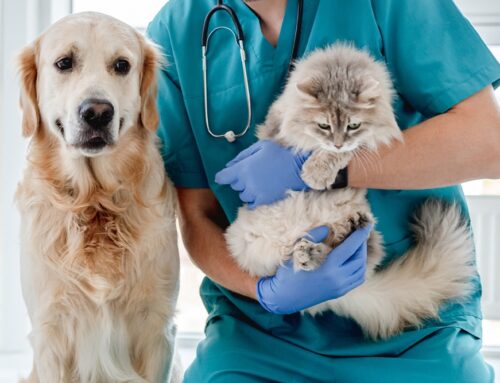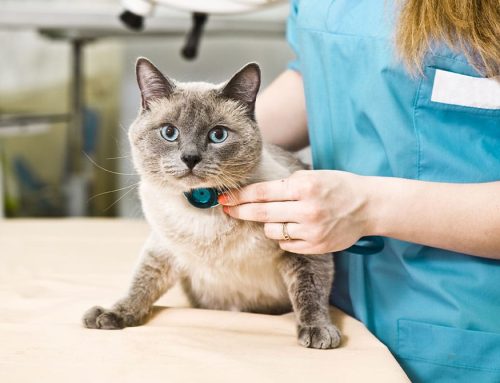

When you meet your veterinarian, you may not spend time wondering what it took to get them there.
You bring your dog in for an appointment, your cat needs a checkup, or you’re worried about something you’ve noticed at home. Your veterinarian examines your pet, asks questions, runs tests, and helps you figure out what comes next.
But becoming a veterinarian is a pretty incredible journey.
So, what’s vet school actually like?
First, There’s a Lot of School
Becoming a veterinarian requires years of education and training.
Before veterinary school, students complete a 4 year undergraduate program prior to veterinary school admission. Then comes veterinary school itself, which typically takes another four years.
And those four years are busy.
Veterinary students study everything from anatomy and physiology to pharmacology, pathology, microbiology, surgery, internal medicine, anesthesia, nutrition, and animal behavior.
And that’s just the beginning!
Yes, You Really Do Learn Anatomy
Remember studying anatomy in school and wondering when you would ever need to know where every tiny structure in the body was?
Veterinary students absolutely need to know.
The difference is that veterinarians aren’t learning just one species.
Dogs, cats, horses, cows, birds, and other animals can all have significant differences in their anatomy and physiology. Veterinary students have to learn how those differences affect everything from diagnosing disease to administering medications.
There’s a lot to remember—and a lot of studying.
Then You Start Putting It Into Practice
Vet school isn’t just lectures and textbooks.
Students spend significant time learning how to examine patients, take medical histories, interpret diagnostic tests, perform procedures, administer medications, monitor anesthesia, and communicate with clients.
Eventually, students transition into clinical rotations, where they work alongside experienced veterinarians and veterinary teams.
That’s when everything starts coming together.
The information you’ve spent years learning suddenly has a real patient attached to it.
Then Come the Boards
And here’s a part of becoming a veterinarian that many pet owners don’t realize:
Graduating from veterinary school isn’t the final step.
After all those years of school, veterinary graduates must pass the required licensing examinations before they can practice veterinary medicine.
In the United States, one of the major steps is taking the North American Veterinary Licensing Examination (NAVLE). The NAVLE is a comprehensive examination designed to assess the knowledge and skills needed for entry-level veterinary practice.
So after years of classes, studying, clinical rotations, and hands-on training, veterinary students have one more very important hurdle to clear.
Once a veterinarian meets the licensing requirements for the state where they want to practice, they can officially begin practicing veterinary medicine.
You Learn More Than Medicine
One of the biggest parts of being a veterinarian has nothing to do with memorizing anatomy.
It’s communication.
Veterinarians have to explain complicated medical information in a way that makes sense to pet owners. They have to listen carefully, answer questions, talk through treatment options, discuss costs, and help families make difficult decisions.
That’s a huge responsibility.
A good veterinarian isn’t just treating an animal. They’re also partnering with the person who knows that animal better than anyone else.
There Are Some Hard Days
Vet school is rewarding, but it isn’t easy.
There are long days, difficult cases, exams, complicated surgeries, and plenty of moments when you question whether you’ve studied enough.
There are also emotional moments. Veterinary medicine involves caring for animals who are sick, injured, aging, and sometimes nearing the end of their lives.
Learning how to support both patients and their people through those moments is an important part of becoming a veterinarian.
And Then You Graduate…
You might think graduation means you’re done learning.
Not even close.
Veterinary medicine is constantly changing. New medications, diagnostic tools, treatments, research, and technologies are introduced all the time.
That’s why continuing education is such an important part of being a veterinarian.
At Vets to Pets, we believe in continuous team development and staying current with advances in veterinary medicine. Learning doesn’t stop when you receive your veterinary degree—or even when you pass your boards. All veterinarians are required to maintain a certain amount of Continuing Education hours every single year.
In many ways, that’s one of the things that makes veterinary medicine so interesting. There’s always something new to learn.
Why Go Through All of It?
Ask a veterinarian this question, and you’ll probably get a slightly different answer from everyone.
For many of us, it comes back to the animals.
We get to help a puppy start life healthy. We get to help a senior dog feel better. We get to figure out why a cat isn’t acting like herself. We get to support families through routine preventive care, unexpected illnesses, and some of life’s hardest goodbyes.
And sometimes, we get to do all of that in the pet’s own home.
That’s one of the reasons we love what we do at Vets to Pets.
Veterinary medicine is challenging. It’s emotional. It’s rewarding. And there’s always more to learn.
But at the end of the day, there’s something pretty special about a career where your job is to help people take better care of the animals they love.
So, what’s vet school like?
A lot of studying. A lot of coffee. A lot of animals. A very exhausting 8+ years.
And, for the right person, it’s completely worth it.