
At Vets to Pets, we provide in-home veterinary care designed to identify concerns early and guide families toward appropriate treatment. One common eye condition we diagnose, especially in younger dogs, is cherry eye. While it can look alarming, it is treatable, and early intervention helps protect long-term eye health.
Surgical correction is performed at our sister hospital, Summit Veterinary Care, where advanced ophthalmic and surgical support is available.
What Is Cherry Eye?
Cherry eye occurs when the gland of the third eyelid prolapses (moves out of its normal position), creating a visible red or pink mass in the corner of the eye.
It most commonly affects:
- Young dogs
- Certain breeds (especially brachycephalic or smaller breeds)
- Occasionally both eyes
Cats are less commonly affected.
Why Cherry Eye Matters
The third eyelid gland is responsible for producing a significant portion of the eye’s tear film. When it becomes displaced, it can lead to:
- Dry eye (decreased tear production)
- Eye irritation and inflammation
- Increased risk of infection
- Chronic discomfort
- Potential long-term vision issues if untreated
Because of its role in tear production, preserving the gland is very important.
What Cherry Eye Looks Like
Most pet owners notice:
- A red or pink round mass in the corner of the eye
- Watery or irritated eye
- Mild swelling or discharge
- Occasional pawing at the eye
It can appear suddenly and is often very noticeable.
Treatment Options
While some temporary medical management may reduce irritation, the most effective long-term treatment is surgical correction.
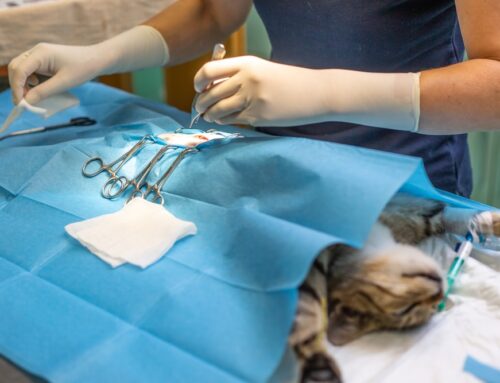
The surgery is performed at Summit Veterinary Care and aims to:
- Reposition the gland back into normal location
- Preserve tear production
- Maintain normal eye function
- Prevent recurrence when possible
Modern surgical techniques focus on preserving gland function rather than removing it.
What Recovery Looks Like
After surgery, pets typically need:
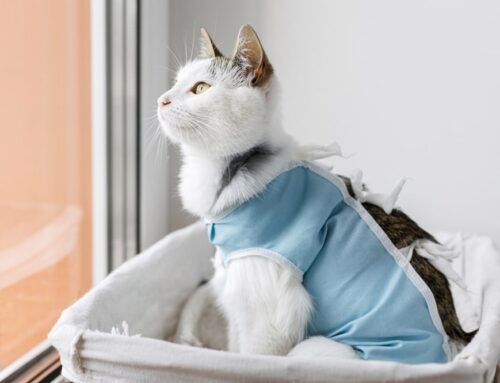
- An e-collar to prevent rubbing
- Eye medications (anti-inflammatory and/or antibiotic drops)
- Restricted activity for healing
- Follow-up exams to ensure proper gland function
Most pets recover comfortably and quickly with appropriate care.
Why Early Evaluation Is Important
Prompt treatment helps:
- Reduce risk of chronic dry eye
- Improve surgical success
- Prevent long-term eye damage
Even though cherry eye may look dramatic, early care leads to much better outcomes.
Coordinated Care Between Home and Hospital
At Vets to Pets, we identify these conditions early during calm, in-home exams where pets are most comfortable. We then coordinate surgical care with Summit Veterinary Care so pets receive the highest level of treatment in a safe, fully equipped hospital setting.
It’s a connected approach designed to reduce stress, improve outcomes, and support pets through every step of their care.