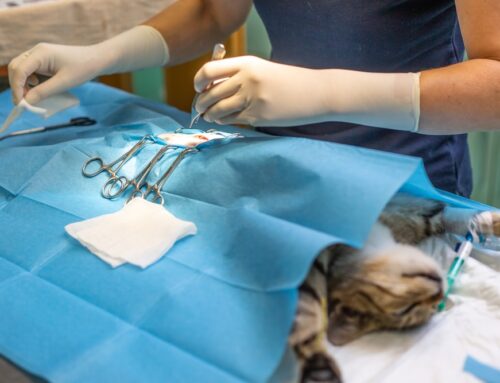

At Vets to Pets, we are dedicated to providing high-quality veterinary care in the comfort of your home throughout Northern Virginia. One of the most common questions we hear from pet families – especially new puppy and kitten owners – is about spaying. While we do not perform surgery in the home, we work closely with our sister practice, Summit Veterinary Care, to ensure pets have access to safe, gold-standard surgical care in a hospital setting when the time is right.
Spaying is a routine procedure, but its impact on long-term health, behavior, and population control is significant.
What Is a Spay Procedure?
A spay (medically known as an ovariohysterectomy or ovariectomy, depending on the technique) is a surgical procedure that removes the ovaries and usually the uterus in female pets.
This procedure:
- Prevents heat cycles
- Eliminates the ability to become pregnant
- Removes hormone-driven reproductive behaviors
- Reduces the risk of several reproductive diseases
It is one of the most commonly performed surgeries in veterinary medicine.
Why Spaying Is Recommended
Spaying offers important health and behavioral benefits beyond preventing pregnancy.
Health Benefits:
- Eliminates risk of uterine infections (pyometra), which can be life-threatening
- Greatly reduces risk of mammary tumors, especially when done early in life
- Prevents complications related to heat cycles and hormonal fluctuations
Behavioral Benefits:
- Eliminates heat-related behaviors (yowling, restlessness, escape attempts)
- Reduces roaming behavior that increases risk of injury or getting lost
- Helps stabilize hormone-related mood changes
When Should a Pet Be Spayed?
Timing can vary depending on species, breed, and individual health factors.
General guidelines:
- Cats: often around 4–6 months of age
- Small to medium dogs: typically around 6 months
- Large or giant breed dogs: timing may be adjusted based on growth and orthopedic considerations
During your in-home visit, we help guide you on the best timing for your individual pet and coordinate referral when appropriate.
Where the Surgery Happens: Our Partnership with Summit Veterinary Care
While Vets to Pets focuses on at-home preventive and primary care, spay procedures are performed at our sister hospital, Summit Veterinary Care.
This allows your pet to benefit from:
- A fully equipped surgical suite
- Advanced anesthesia monitoring
- Dedicated surgical and recovery teams
- Sterile, controlled hospital environment
- Immediate access to additional diagnostics if needed
It’s the safest setting for surgical care and ensures the highest standard of medicine.
What to Expect Before Surgery
Before a spay procedure, we typically recommend:
- A physical exam (often done during a Vets to Pets home visit)
- Pre-anesthetic bloodwork to assess organ function
- Discussion of medical history and any concerns
- Instructions for fasting prior to surgery
This preparation helps ensure anesthesia safety and a smooth procedure.
What Happens During the Procedure
Although your pet will be at the hospital, here’s what the process generally involves:
- General anesthesia to ensure comfort and safety
- Careful surgical removal of reproductive organs
- Monitoring of heart rate, oxygen levels, and blood pressure throughout
- Pain management during and after surgery
The surgical team focuses closely on comfort and safety at every step.
Recovery at Home
Most pets recover at home with guidance and support from both Vets to Pets and Summit Veterinary Care.
Typical recovery includes:
- Rest and limited activity for 10–14 days
- Preventing licking or chewing at the incision site (e-collar or recovery suit)
- Pain medication as prescribed
- Monitoring the incision for swelling, redness, or discharge
- Follow-up check when recommended
Many pets begin feeling more like themselves within a few days, even though full healing takes longer.
Supporting a Smooth Recovery in a Home Environment
One advantage of at-home care is that we can help you prepare your home environment in advance of surgery.
Helpful adjustments include:
- Creating a quiet, comfortable recovery space
- Limiting stairs or jumping
- Keeping food, water, and bedding easily accessible
- Reducing excitement or rough play during recovery
A calm home environment often supports smoother healing.
A Preventive Procedure with Lifelong Impact
Spaying is a preventive health choice that can significantly improve long-term outcomes for many pets. When paired with thoughtful timing and proper surgical care, it contributes to a healthier, more stable life.
Care That Connects Home and Hospital
At Vets to Pets, we believe veterinary care works best when it’s continuous and connected. We help guide your pet through every step; from early conversations in your home, to surgical care at Summit Veterinary Care, and back again during recovery.
Great care doesn’t happen in one place – it happens through a partnership built around your pet’s needs, in the comfort of your own home.