
At Vets to Pets, we are dedicated to providing high-quality veterinary care in the comfort of your home throughout Northern Virginia. One of the most common procedures we discuss with pet families is neutering. While we don’t perform surgery in the home, we coordinate closely with our sister practice, Summit Veterinary Care, to ensure your pet receives safe, gold-standard surgical care in a hospital setting when appropriate.
Neutering is a routine procedure, but it plays an important role in long-term health, behavior, and population control.
What Is a Neuter Procedure?
A neuter (also called castration) is a surgical procedure performed on male pets that involves the removal of the testicles.
This procedure:
- Prevents reproduction
- Reduces testosterone-driven behaviors
- Lowers risk of certain reproductive diseases
- Supports population control and responsible pet ownership
It is one of the most commonly performed veterinary surgeries and is considered a standard part of preventive care.
Why Neutering Is Recommended
Neutering offers both health and behavioral benefits.
Health Benefits:
- Eliminates risk of testicular cancer
- Reduces risk of prostate disease
- Decreases risk of perineal hernias in some pets
Behavioral Benefits:
- Reduces roaming and escape attempts
- Decreases urine marking in many pets
- Lowers hormone-driven aggression in some cases
- Helps reduce mounting behaviors
While behavior changes vary by individual, many pets become more focused and manageable after neutering.
When Should a Pet Be Neutered?
Timing depends on species, breed, and individual health factors.
General guidelines:
- Cats: often around 4–6 months
- Small to medium dogs: typically around 6 months
- Large or giant breed dogs: timing may be individualized based on orthopedic development and lifestyle
We help guide timing decisions during in-home visits to ensure the best plan for your pet.
Where Surgery Happens: Our Hospital Partner
Neuter procedures are performed at our sister hospital, Summit Veterinary Care, where pets benefit from:
- Advanced anesthesia monitoring
- Sterile surgical environment
- Skilled surgical and recovery teams
- Immediate access to diagnostics and supportive care
This ensures the highest level of safety and comfort for your pet.
What to Expect Before and After Surgery
Before surgery:
- Physical exam and pre-anesthetic bloodwork may be recommended
- Fasting instructions will be provided
- We review your pet’s medical history and any concerns
After surgery:
- Rest and restricted activity for about 7–10 days
- Pain management as prescribed
- Monitoring the incision site
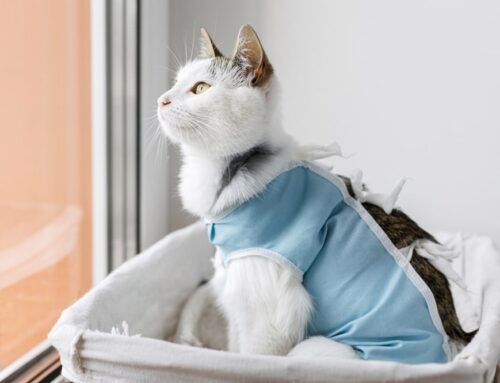
- Preventing licking with an e-collar if needed
Most pets recover quickly and return to normal activity shortly after healing is complete.
A Simple Procedure with Long-Term Benefits
Neutering is a straightforward surgery, but its impact can be significant. It supports long-term health, helps prevent unwanted litters, and can improve quality of life for many pets.
At Vets to Pets, we help guide you through the timing and coordination so the process is smooth, clear, and low-stress from start to finish.