
At Vets to Pets, we are dedicated to providing high-quality veterinary care in the comfort of your home throughout Northern Virginia. Because we see pets in their natural environment, we’re often able to pick up on subtle changes in urination habits or comfort that can signal urinary tract disease early. One important condition we monitor closely is bladder stones.
What Are Bladder Stones?
Bladder stones are solid mineral formations that develop in the urinary bladder. They can vary in size from tiny grit-like particles to larger stones that irritate or obstruct the urinary tract.
Common types include:
- Struvite stones
- Calcium oxalate stones
- Mixed mineral formations
Each type may form for different underlying reasons, which is why diagnosis is important.
Signs of Bladder Stones
Because we see pets at home, we often learn about urinary changes directly from day-to-day behavior. Signs may include:
- Frequent attempts to urinate
- Straining or discomfort while urinating
- Blood in the urine
- Urinating in small amounts
- Accidents in the house (in previously trained pets)
- Excessive licking of the urinary opening
- Restlessness or signs of abdominal discomfort
In male pets, urinary obstruction can become a medical emergency very quickly.
Why Bladder Stones Form
There is rarely one single cause. Contributing factors can include:
- Diet and mineral balance
- Urine pH changes
- Chronic urinary tract infections
- Breed predisposition
- Low water intake
- Underlying metabolic conditions
Understanding the cause helps guide treatment and prevention.
Diagnosis and Next Steps
When bladder stones are suspected, we may recommend:
- Urinalysis
- Imaging (ultrasound or X-rays)
- In some cases, bloodwork to assess overall health
Once confirmed, treatment depends on the type and size of the stones.
Treatment Options
Treatment may include:
- Prescription diets to dissolve certain stone types
- Increased water intake strategies
- Medications to manage infection or discomfort
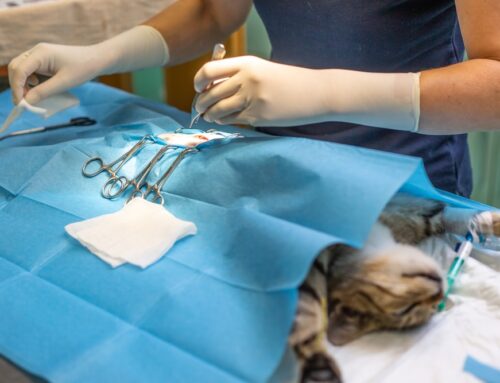
- Surgical removal in more severe or obstructive cases (often coordinated with our hospital partner, Summit Veterinary Care)
Long-term prevention is often just as important as initial treatment.
Preventing Recurrence
After treatment, prevention focuses on:
- Diet management tailored to stone type
- Encouraging water consumption
- Routine urinalysis monitoring
- Addressing underlying infections or conditions
Because recurrence is possible, follow-up care is key.
A Subtle Problem That Can Become Serious
Bladder stones can range from mild irritation to life-threatening obstruction. Early recognition – especially in a home setting where normal habits are easier to observe – can make a major difference in outcomes.
At Vets to Pets, we focus on catching these changes early so treatment is simpler, safer, and more effective.
Diarrhea in Pets: When to Monitor and When to Worry
At Vets to Pets, we are dedicated to providing compassionate veterinary care in the comfort of your home throughout Northern Virginia. Diarrhea is one of the most common concerns we evaluate, and because we see pets in their home environment, we often get a clearer picture of diet, routine, and exposure that helps guide diagnosis.
While many cases are mild and self-limiting, diarrhea can also be a sign of something more serious.
What Causes Diarrhea?
Diarrhea is a symptom, not a disease. Common causes include:
- Dietary indiscretion (eating something unusual)
- Sudden diet changes
- Intestinal parasites
- Bacterial or viral infections
- Food sensitivities or allergies
- Stress or environmental changes
- Medication side effects
- Underlying chronic gastrointestinal disease
What We Look for in a Home Setting
One advantage of mobile veterinary care is seeing the environment firsthand. We may ask about:
- Recent diet changes or treats
- Access to trash, plants, or foreign objects
- Stressful changes in routine
- Other pets in the household
- Stool consistency and frequency
This context helps narrow down likely causes.
When Diarrhea Is Mild vs. Concerning
Mild cases may include:
- One or two loose stools
- Normal energy and appetite
- No vomiting
More concerning signs include:
- Persistent diarrhea (more than 24–48 hours)
- Blood or mucus in stool
- Vomiting
- Lethargy or weakness
- Dehydration
- Refusal to eat
Puppies, kittens, and senior pets are more sensitive to fluid loss.
Diagnostic Approach
Depending on severity, we may recommend:
- Fecal testing for parasites
- Dietary trials
- Basic bloodwork
- Hydration assessment
- Imaging in more complex cases
Because we see pets at home, we can often tailor diagnostics based on real-world observations.
Treatment Options
Treatment depends on the cause but may include:
- Dietary adjustments or bland diets
- Deworming medications
- Probiotics or gut support therapies
- Anti-nausea or anti-diarrheal medications when appropriate
- Fluid support in more severe cases
Most mild cases resolve quickly with supportive care.
When to Call Your Vet
Contact us if you notice:
- Ongoing diarrhea beyond 1–2 days
- Blood in stool
- Repeated vomiting
- Signs of dehydration
- Marked lethargy
Early intervention helps prevent complications.